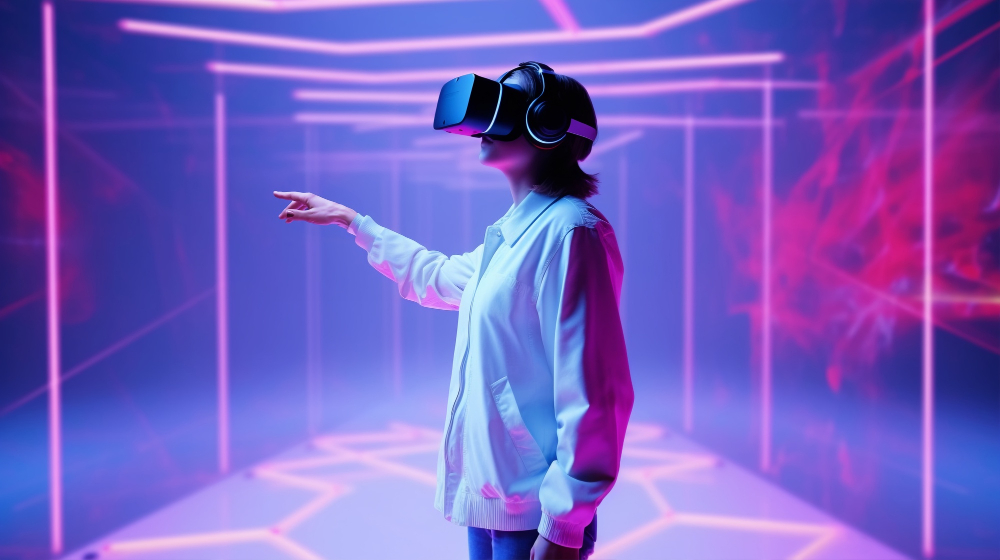
Velvet ropes once defined exclusivity. Now, screens do. Celebrities who filled rooms in Las Vegas are stepping into virtual arenas, forums and avatar-based platforms. The shift is sharp, deliberate and shaped by those with global influence. Identity is still currency, but it now moves through pixels, not physical space.
Luxury now adapts to time zones, schedules and bandwidth. When presence can be multiplied and monetised without physical travel, the appeal grows quickly. Those who once held court in clubs now release avatar versions of themselves, speak through AI and control every aspect of how they’re seen.
Where high rollers meet their audience today
Places once known for flashing lights and clinking chips have started to feel quieter. Celebrities still go to private events in cities like Monte Carlo and Las Vegas, but a growing number prefer to play online. They can talk strategy, share tactics or simply observe, all while choosing when and where to appear.
This is part of a wider shift. New UK-based online spaces now offer highly tailored services that attract public figures and collectors. These platforms get reviewed and updated regularly by experts who track every trend.
These limited offers span both the sportsbook and casino. Timed drops appear on Stake.com and across its official social media feeds, which can be found on strafe.com/esports-betting/reviews/stake/bonus-code-drop/. This kind of online interaction works well because the crowd itself is global. You might see a famous footballer chatting in a private chat or sharing a highlight from a live match.
It becomes a space where names blend in, unless they choose to stand out. That’s a powerful option, and it makes sense why this shift is happening fast.
The first official music avatar changes the standard
In April 2025, Meta confirmed that Doja Cat would become the first music artist to be turned into an avatar for Meta Horizon Worlds. This was an official Meta release, crafted as part of a new class of “fantastical avatars” aimed at turning real-world stars into fully interactive virtual figures.
Doja Cat’s transformation came with purpose. Her arena show, The Scarlet Tour, had already sold out in real life. Meta reworked it as a virtual reality concert, streamed exclusively in Horizon’s Music Valley until 5 May. The footage ran in crisp 3D 180° video, allowing anyone with a Meta Quest headset to jump into the venue from any angle.
The avatar was fully interactive and styled to reflect her signature look. Fans could purchase it in Horizon’s virtual store and then use it as their own avatar across Horizon Worlds. For a time, it meant thousands could walk, dance and socialise while wearing the digital skin of a global star.
Doja Cat’s VR presence expanded her brand and image. It allowed her to be in homes worldwide without tours, press runs or camera crews. And it marked the start of something that would soon reach across industries.
How presence now splits into pieces
Once Doja Cat’s avatar launched, the door opened wider. Meta’s decision to build her into Horizon wasn’t just about music. It was about modular fame. A single identity could now serve multiple formats. She could perform live, exist as an avatar, and be purchased in digital shops, all at once.
This gives high-profile figures a toolkit. They can appear in multiple places without needing to be in a studio or onstage. Instead of scheduling a press run, they can authorise a digital double. And when they do choose to appear live, the same virtual venue can scale to meet demand, without fire codes, crowds or noise complaints.
Meta designed Horizon’s Music Valley for these types of rollouts. It’s flexible, controlled and customisable. And it lets creators maintain the energy of a real event, with none of the logistical drag. For celebrities with multiple business projects, that matters. When identity becomes modular, it becomes scalable too.
The baseball world doubles down on avatars
This isn’t limited to music. In 2025, avatar technology company Genies partnered with MLB Players, Inc., the business arm of the Major League Baseball Players Association, to create AI-powered avatars for every player in the league. The avatars were built using licensed name, image and likeness data, and allowed for real-time interaction via chat or voice.
CEO Akash Nigam confirmed the avatars would live on Genies.com, where fans could speak with AI versions of their favourite athletes. This wasn’t fiction. The avatars held data sets trained on official player profiles and behaviours. The interactions were tailored, fluid and ready for commercial use.
Players could use their avatars for brand deals, sponsorships, paid conversations or digital merch. And these avatars could talk, joke, react and respond across platforms, powered by Genies’ proprietary engine.
This setup gave athletes a new way to engage with fans. They could remain active in dozens of conversations at once without lifting a finger. In a media cycle where relevance fades quickly, that kind of automated presence became a game changer.
The value now lives in digital control
Power has always followed control. Celebrities used to maintain that control through handlers, contracts and PR calendars. Now, control sits inside app dashboards and avatar dashboards. They choose the schedule, the reach and the format. Whether it’s a concert, a forum post or a digital product launch, they decide how and when to appear.
This digital shift changes the pace. A face once tied to a physical place now becomes a format. That format can attend meetings, appear in events or serve in brand campaigns, even while the real person sleeps.
Paris Hilton demonstrated this approach when she launched Planet Paris, her 2021 NFT collection created with artist Blake Kathryn. One piece, Iconic Crypto Queen, sold for over US$1 million. Hilton had previously won “Best Charity NFT” at the 2020 NFT Awards.
Her presence in avatar tech started early, and her strategy followed a clear path: build digital versions of herself and make them commercially viable.
The same thinking now flows through sports, music and entertainment. Stars no longer need to hold space in real rooms. Their avatars do it for them. Their AI companions keep them active. Their virtual events allow them to scale moments that used to vanish after a weekend.
The velvet rope is now a log-in screen
The reasons behind this shift are easy to understand. Control, reach and flexibility win. Las Vegas still offers prestige, but it can’t compete with platforms that allow ten million people to log in at once. Physical presence may still hold weight, but it’s no longer the only option that matters.
Doja Cat’s Metaverse performance showed what’s possible when identity becomes digital product. Genies’ MLB partnership proved that entire leagues can remain visible 24/7 through AI. Paris Hilton’s digital artwork turned presence into ownership, value and control.
This is what the new billionaire playground looks like. It’s shaped by avatars, held together by digital likeness, and open for business on platforms built for scale. The tables are still there, they’re just coded differently. And the next big entrance doesn’t come with flashbulbs. It starts with a headset and a name that everyone already knows.