
Late-night scrolling, one more episode, a quick check of your messages before bed — these habits feel harmless, but they quietly chip away at your rest. If you’ve noticed it takes longer to fall asleep or you wake up groggy, your screens may be part of the problem. The good news is that small, deliberate changes can help you reclaim your nights without giving up your devices entirely.
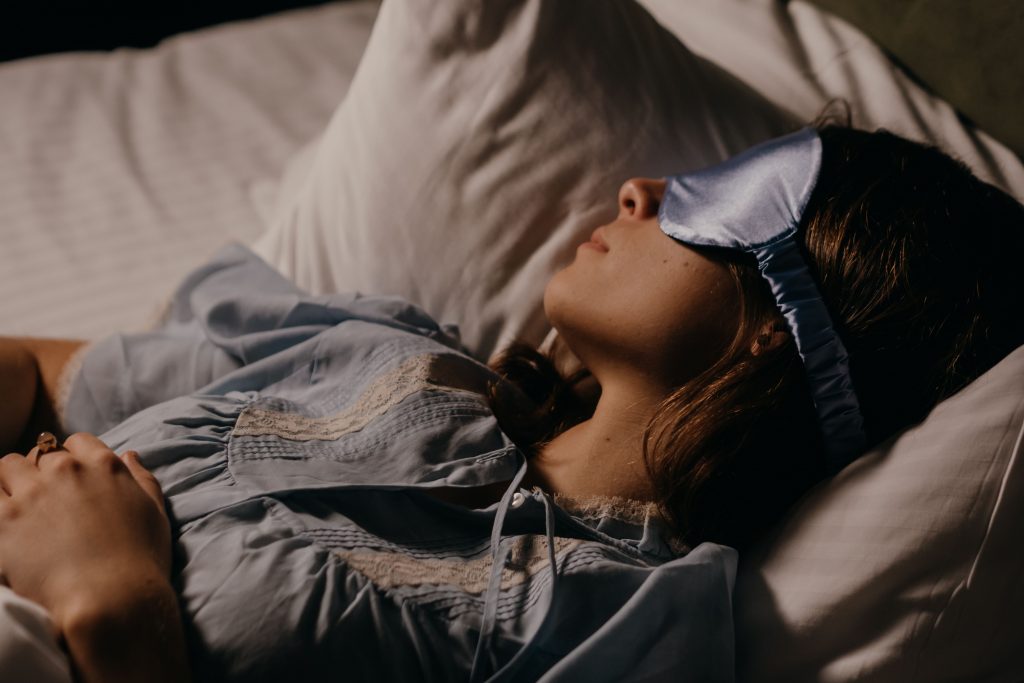
Why Screens Mess With Your Sleep
The main culprit is light. Phones, tablets, and laptops emit blue light, which tricks your brain into thinking it’s still daytime. That delays the release of melatonin, the hormone that signals your body to wind down.
But light isn’t the only issue. The content itself keeps your mind active. A tense news article, an exciting game, or a back-and-forth chat can raise your heart rate and flood your brain with stimulation right when you should be relaxing.
Here’s what screens tend to do to your sleep cycle:
- Push back your natural sleep timing;
- Reduce the amount of deep, restorative sleep you get;
- Make you more likely to wake up during the night;
- Leave you feeling unrefreshed in the morning.
Building a Wind-Down Routine That Sticks
The hour before bed matters most. Instead of going straight from a bright screen to your pillow, give your brain a transition period. A consistent routine tells your body that sleep is coming.
Try setting a “screen curfew” — a fixed time when devices go away. Start with 30 minutes before bed and stretch it to an hour as it gets easier. During that window, swap your phone for something calming like reading, stretching, or jotting down tomorrow’s to-do list.
If you enjoy unwinding with online games such as the ones found at https://icecasino.com/en/online-slots at night, try shifting that activity to earlier in the evening so it doesn’t bleed into your wind-down time. Keeping stimulating entertainment away from the final stretch before sleep makes a real difference.
These swaps can replace screen time without leaving you bored:
- Read a physical book or magazine;
- Listen to a podcast or calming music;
- Do light stretches or breathing exercises;
- Take a warm shower or bath;
- Write in a journal.
Adjusting Your Devices for Night
You don’t have to ditch screens completely. Tweaking your settings can soften their impact when you do need them late.
Most phones and computers now include night modes that shift the display toward warmer tones. Pair that with lower brightness and you’ll reduce the alerting effect of the light.
Here’s a quick comparison of common adjustments and what they do:
| Setting | What It Does | Best Time to Use |
| Night mode / warm filter | Cuts blue light from the display | After sunset |
| Reduced brightness | Lowers overall light exposure | Evening hours |
| Do Not Disturb | Silences alerts that pull you back in | One hour before bed |
| Grayscale mode | Makes the screen less engaging | Late evening |
Turning on Do Not Disturb is especially underrated. It stops notifications from yanking your attention back just as you’re settling down.
Designing a Bedroom That Supports Rest
Your environment shapes your sleep more than you might think. A room built for rest helps your body shift gears, even on nights when you’ve been staring at a screen.
Keep your bedroom cool, dark, and quiet. Blackout curtains, a comfortable mattress, and a clutter-free space all signal that this is a place for sleep — not work or entertainment.
Consider these bedroom upgrades:
- Charge your phone outside the bedroom, or at least across the room
- Use a traditional alarm clock instead of your phone
- Add warm, dim lighting for the evening
- Remove the TV if it tempts you to stay up
Moving your phone away from the bed removes the temptation to check it the moment you wake up at 3 a.m.
Handling the Hard Nights
Some nights you’ll break your own rules, and that’s fine. The goal is consistency over time, not perfection every single evening.
If you find yourself wide awake after a screen-heavy night, don’t lie there frustrated. Get up, do something quiet in dim light, and return to bed when you feel sleepy. Forcing sleep usually backfires.
Final Thoughts
Screens aren’t going anywhere, and you don’t need to treat them as the enemy. The trick is managing when and how you use them so they stop stealing your rest. Start with one change — maybe a screen curfew or a warm-light filter — and build from there. Better sleep rarely comes from a single dramatic fix. It comes from small, steady habits that add up night after night.