The no-deposit offer is the oldest hook in online gambling, and it is having a second moment. The pitch is simple enough to fit on a phone screen: sign up, get a small amount of bonus credit or a handful of free spins, and play without funding the account first. What has changed is who is delivering the pitch. Familiar faces from sport, music, and reality television are now attached to gaming brands, and a famous name pointed at a free-to-try offer is a powerful combination. It lowers the two barriers that stop most people at once, the money and the doubt.
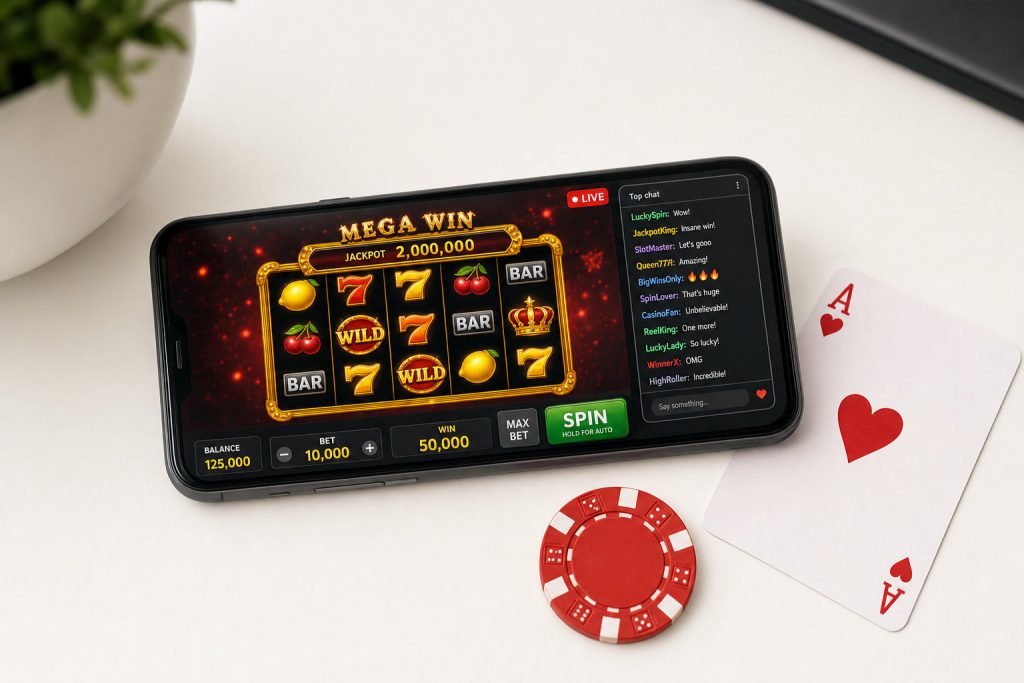
That combination is doing real work for operators, but it also hides a lot of detail. A no-deposit offer is never as free as the headline suggests, and a celebrity’s endorsement says nothing about whether the product is even legal where the viewer lives. Both of those things sit in the fine print, and the fine print is where these promotions actually live. Bonus.com’s running breakdown of no-deposit casino promotions is a useful place to see the wagering terms sitting underneath a headline number, because the number on the ad and the value in your account are rarely the same thing. Before any of that matters, one fact frames everything: legal real-money online casino play exists in only eight US states as of mid-2026, and it is a 21-and-over product, so a nationally famous face does not make a nationally available offer.
Why the no-deposit offer came back
For a while the industry leaned on deposit-match bonuses, the kind that double your first deposit up to some cap. Those reward people who are already willing to spend. The no-deposit offer targets the person who is not, which is a much larger group. It is an acquisition tool aimed at hesitation rather than budget.
The comeback tracks a broader shift in how gaming brands market themselves. Competition among the licensed operators is fierce in the states where they can operate, and the cheapest way to stand out is to remove the first obstacle entirely. A free trial converts curiosity into an account, and an account is what the operator actually wants. The bonus is a customer-acquisition cost, not a gift.
What “no-deposit” actually buys you
The term describes how you get the bonus, not what you can do with it. You receive a small amount of site credit or a set of free spins without funding the account. That part is genuinely upfront. Everything after it is governed by terms.
The most important of those terms is the wagering requirement, sometimes called playthrough. A bonus with a 30x requirement means you have to bet the bonus amount thirty times before any winnings become withdrawable. On a ten dollar credit, that is three hundred dollars of wagering. Alongside it usually sit a maximum cashout cap, a limit on how much of the bonus winnings you can ever withdraw, plus game restrictions, a short expiry window, and a maximum bet size while the bonus is active. None of that fits in an advertisement, which is exactly why the advertisement leaves it out.
The celebrity layer changes the reach, not the terms
A famous endorser does two things. It buys attention, and it borrows trust. Someone who would scroll past a banner ad will stop for a face they recognize, and a fraction of that attention converts into sign-ups. That is the entire commercial logic, and it works.
What the endorsement does not do is change the offer. The wagering requirement is the same whether an unknown brand or a household name is presenting it. The value of a no-deposit bonus is set by its terms, and the terms are indifferent to who read them out. Treating a celebrity’s involvement as a signal of a better deal is the mistake the marketing is designed to produce.
The scale of these arrangements is easy to underestimate, because endorsement income is the softest number in any public earnings estimate. A ranking such as taddlr’s own list of the highest-paid names in world soccer makes the point in miniature: it splits each athlete into a salary line and an endorsement line, and for the biggest names the endorsement column can rival or beat the salary. Sponsorship pays, and gaming brands know it, which is why so many of them now spend on faces rather than banners.
How the common offer types compare
| Offer type | What you receive up front | The catch that sets the value | Who it is aimed at |
|---|---|---|---|
| No-deposit credit | Small site balance, no funding needed | High wagering requirement and a low cashout cap | New sign-ups on the fence |
| Free spins | Set number of spins on chosen slots | Winnings convert to bonus funds with playthrough | Slot players specifically |
| Deposit match | Bonus scaled to your first deposit | Requires spending first, cap limits the match | Players ready to fund |
| Sweepstakes coins | Promotional coins under a no-purchase model | Not real-money gaming, redemption is restricted and state-dependent | Players outside licensed states |
The bottom row is the one that trips people up, and it deserves its own section, because it is where the legal ground has moved the most.
The sweepstakes workaround is shrinking fast
Because licensed real-money casinos operate in only a handful of states, a parallel model grew up to reach everyone else. Sweepstakes-style social casinos run on a dual-currency system: a free play-only coin, plus a promotional coin that can, on many platforms, be redeemed for prizes under a no-purchase-necessary sweepstakes framework. It is not a licensed online casino and it is not legally real-money gambling, and for a few years it was the default answer to the geography problem.
That answer is closing. California’s ban took effect on 1 January 2026, Indiana’s on 1 July 2026, and Oklahoma’s is set to begin on 1 November 2026. Connecticut made operating one a felony under a 2025 law, Maine’s ban landed in July 2026, and Tennessee, Louisiana, Michigan, Montana, Nevada, New Jersey, New York, and Washington have all acted against the model as well. A celebrity promoting a sweepstakes brand to a national audience is speaking to a growing number of people for whom the product is no longer an option. If an offer reaches you through an ad, that alone tells you nothing about whether you can legally use it where you are.
The map the endorsement never shows
Legal real-money online casino play is limited to eight states as of mid-2026: Connecticut, Delaware, Michigan, New Jersey, Pennsylvania, Rhode Island, West Virginia, and Maine, which is the newest and had not launched yet as of July 2026. Maine’s rollout is expected to run through the Wabanaki Nations tribes with commercial partners during the year, but it was not live at that point.
Elsewhere the picture is more restrictive than the marketing implies. Nevada offers online poker but not online casino. California has no legal online casino at all. Utah bans gambling outright, and Hawaii has no legal gambling framework. A no-deposit offer fronted by a national celebrity does not respect any of those lines, which is why the endorsement and the eligibility are two entirely separate questions. The face tells you a brand paid for reach. It does not tell you the door is open on your street.
What the fine print is legally required to say
Because these offers are advertisements, they sit under the same disclosure rules as any other endorsement. The Federal Trade Commission’s Endorsement Guides, revised in 2023, widened what counts as an endorsement to include tagged posts, casual mentions, and the use of a person’s likeness, not just scripted commercials. The standard is that any material connection between the endorser and the brand has to be disclosed clearly and conspicuously, not buried where an ordinary viewer would miss it.
A material connection is broader than a paycheck. Under the FTC’s rule on disclosing these relationships, the trigger is any connection the audience would not reasonably expect and that could affect how much weight they give the endorsement. That covers a fee, but also free access, discounted product, an ownership stake, or the prospect of future payment. The Guides also make clear that the endorser can carry liability, not only the brand, so a celebrity who reads out an offer is not automatically shielded because an agency wrote the script. For a viewer, the practical takeaway is smaller: assume the person promoting the offer was compensated, and judge the offer on its terms rather than on their enthusiasm.
The math no bonus changes
Underneath every promotion, celebrity-fronted or not, sits the same arithmetic. Casino games are built on chance, and the house edge is designed into them. Return-to-player figures are long-run averages measured across enormous numbers of plays, not a promise about a single session or a single free spin. Slots in particular are pure chance, with no strategy that shifts the odds.
A no-deposit bonus does not alter any of that. It reduces the cost of trying, which is a real thing, but the underlying odds are exactly what they would be with your own money. The wagering requirement often means the practical odds of walking away with a withdrawable amount are slimmer than the headline suggests, because you have to keep betting the bonus through the house edge before it becomes yours. No amount of fame attached to the offer changes the design of the game behind it.
Reading a celebrity-fronted offer without getting caught out
The useful habit is to separate the three things the ad blends together. There is the endorser, who was paid for reach. There is the offer, whose value lives entirely in the wagering requirement, the cashout cap, and the expiry. And there is your own eligibility, which depends on your state and your age, not on the campaign’s budget.
Run any promotion through those three filters and it gets easier to price. Ignore the face, read the playthrough, and check whether the product is even legal where you sit. A no-deposit offer can be a genuinely low-cost way to test a licensed site in a state that allows it. It is not a windfall, and the celebrity attached to it is a marketing line, not a recommendation you should weigh.
Frequently Asked Questions
Is a no-deposit casino bonus actually free?
The sign-up is free in the sense that you do not fund the account to receive the credit or spins. The value is not free of conditions. Wagering requirements, maximum cashout caps, game restrictions, and short expiry windows all reduce what the bonus is worth in practice, and those terms are set by the operator, not by whoever is promoting the offer.
Does a celebrity endorsement mean the offer is a better deal?
No. An endorser is paid to bring attention and borrow trust, and their involvement does not change the wagering requirement or any other term. The value of a no-deposit bonus is determined by its fine print, which is identical whether an unknown brand or a famous name is presenting it.
Can I use these offers anywhere in the US?
Only where the product is legal. Real-money online casino play exists in eight states as of mid-2026 and is restricted to players 21 and over. Sweepstakes-style alternatives that once filled the gap are being banned in a growing list of states, so a national ad does not mean national availability. Check your own state before assuming an offer applies to you.
Does the celebrity have to disclose that the post is an ad?
If there is a connection the audience would not reasonably expect and it could affect how the endorsement is judged, it must be disclosed clearly and conspicuously. That covers payment as well as free access or the prospect of future payment. The FTC’s revised Guides also state that endorsers, not just brands, can carry liability when disclosure is missing.
Do free spins or bonus credit improve my odds of winning?
No. Casino games are chance-based and the house edge is built in, so return-to-player figures are long-run averages rather than session promises. A no-deposit bonus lowers the cost of playing, but the underlying odds are unchanged, and wagering requirements often mean the credit has to be bet through that house edge before any winnings become withdrawable.